When UX Design Becomes Organizational Design
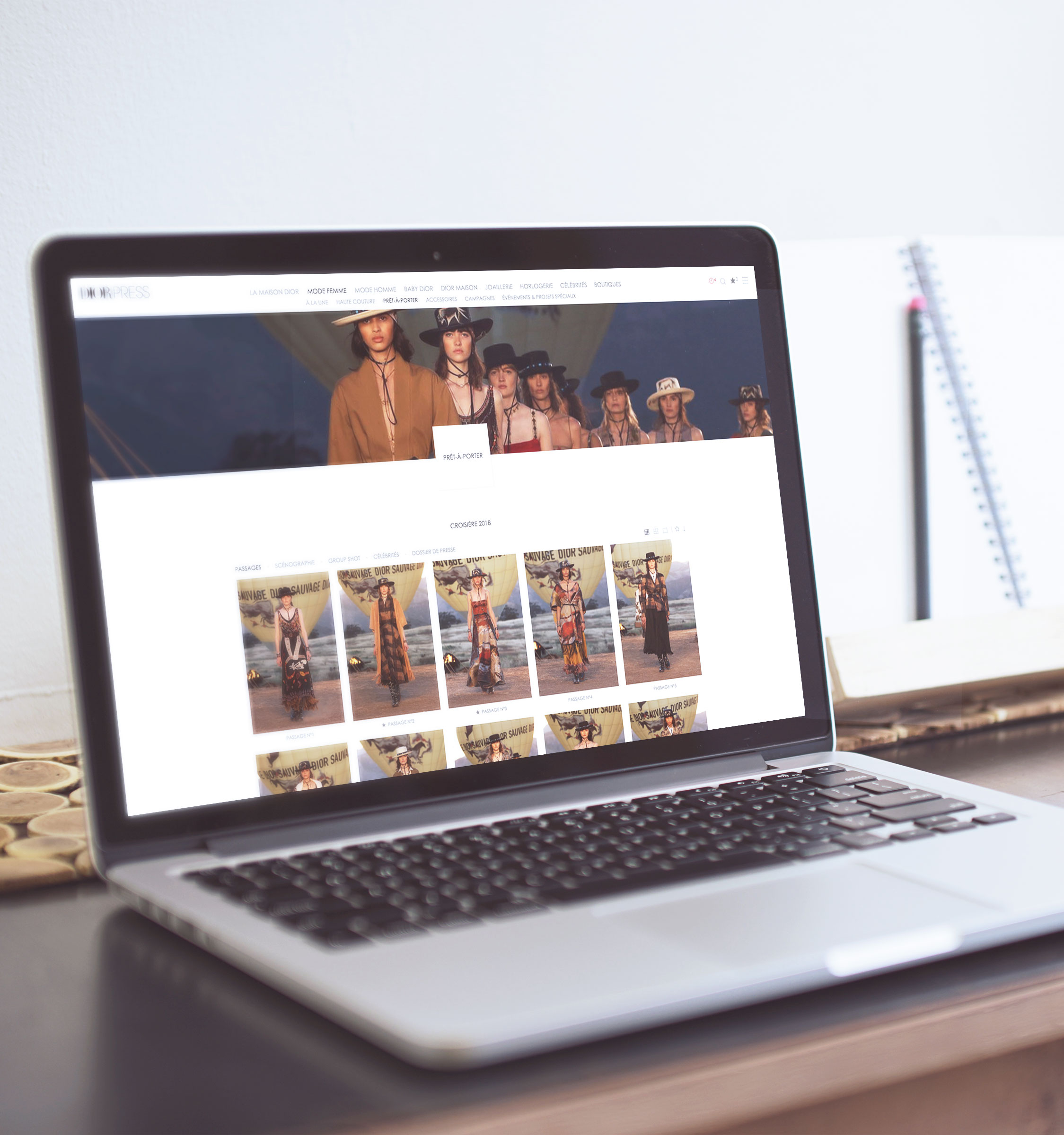
In 2016, I joined a strategic digital transformation project for the international press department of one of the world’s leading luxury fashion houses.
The goal seemed straightforward: redesign an existing press platform and modernize the technology behind it.
In reality, the challenge went far beyond a simple website redesign.
It became a large-scale exercise in user experience design, information architecture, stakeholder management, and digital project leadership.
The Challenge
The existing platform had originally been developed in Flash in the early 2000s.
Over time, it had become increasingly difficult to maintain and no longer reflected the growing needs of the organization.
The platform served international journalists who needed access to:
- Press releases
- Product imagery
- Runway photography
- Video content
- Celebrity appearances
- Editorial assets
- Collection information
At the same time, the volume of content had increased dramatically, particularly with the rise of digital media and video production.
The objective was to create a scalable cloud-based platform allowing accredited journalists to access content independently while reducing the workload of internal press teams.
A Complex Ecosystem
What made the project particularly challenging was the number of stakeholders involved.
The platform had to serve multiple business units across the company:
- Womenswear
- Menswear
- Haute Couture
- Fine Jewelry
- Watches
- Children’s Collections
- Home and Lifestyle
Each department had different needs, priorities, and publishing rules.
Some teams favored broad media access and rapid distribution.
Others required highly selective access policies due to the exclusivity of their products.
Legal teams needed to validate image rights.
Archive teams managed historical assets and permissions.
IT departments were responsible for security, hosting, and infrastructure.
Communication teams needed fast publication workflows.
As a result, the project had remained blocked for nearly two years before I joined.
Solving the Real Problem

The main challenge was not technology.
It was structure.
Different departments were trying to solve different problems within the same platform.
Through workshops and analysis sessions, I identified recurring friction points between teams and redesigned the content architecture to accommodate different access levels, business needs, and user journeys.
The platform needed to support:
- Multiple content types
- Different approval workflows
- Granular access permissions
- International journalist accreditation
- Confidential content management
- Cross-category content discovery
One example was the creation of dedicated content areas for celebrity appearances and brand ambassadors, which represented a significant volume of press requests across all business units.
The solution allowed each department to maintain its specific requirements while creating a unified experience for journalists.
The Outcome
After nearly two years of stagnation, the project moved from deadlock to delivery.
Within approximately six months, we successfully launched the first version of the new platform, including both front-office and custom back-office environments.
The project modernized the press ecosystem, improved content accessibility, reduced manual requests, and established a scalable foundation for future growth.
Key Takeaways
This project reinforced something I have observed throughout my career:
The most difficult digital challenges are rarely technical.
They are often organizational.
Technology can be redesigned.
Interfaces can be improved.
But creating alignment between people, processes, and business objectives is where design creates the most value.
For me, this project remains one of the clearest examples of how UX thinking, information architecture, and project leadership can help transform complexity into a usable and scalable digital experience.