MY VERY FIRST WORKSHOP AS FACILITATOR
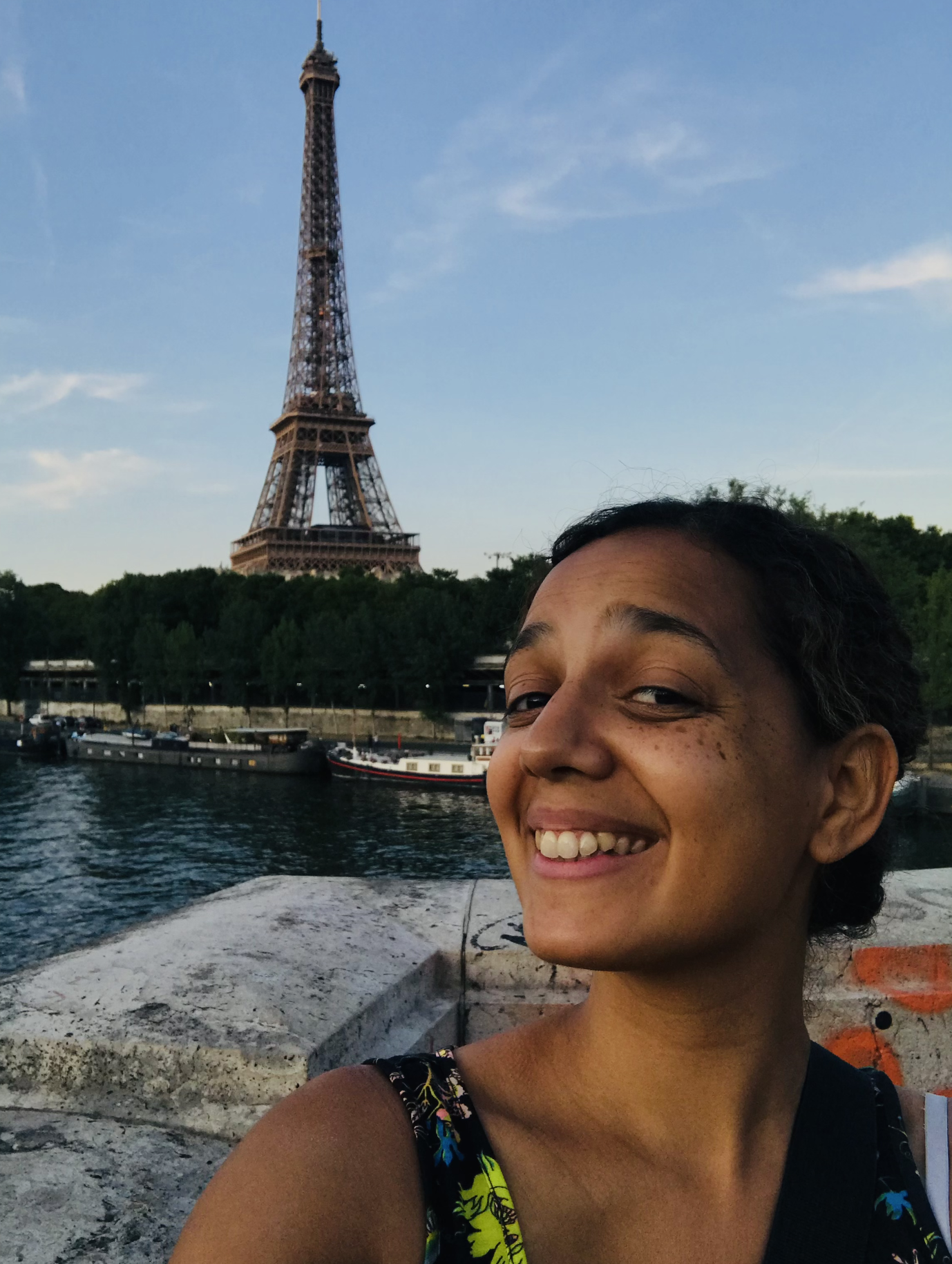
I led my first workshop as a facilitator in 2018. At the time, I had just returned from a six-month journey around the world. I came back to Paris with my mind full of images, ideas, and reflections gathered through the exploration of different cultures. I didn’t want to return to spending my days in an office; I wanted something more meaningful.
I started my own business and began working as an art director. It was a challenging period. While looking for new clients, I came across an opportunity from an NGO whose mission was to give children access to culture and the chance to meet professional artists. The program was socio-educational and took place mainly in the suburbs of Paris.
Fine arts, theatre, classical music, and other cultural disciplines are often perceived as being reserved for an elite or as unattainable dream careers. The NGO’s goal was to show young people that these paths were accessible to them, regardless of their background. Art and culture belong to everyone.
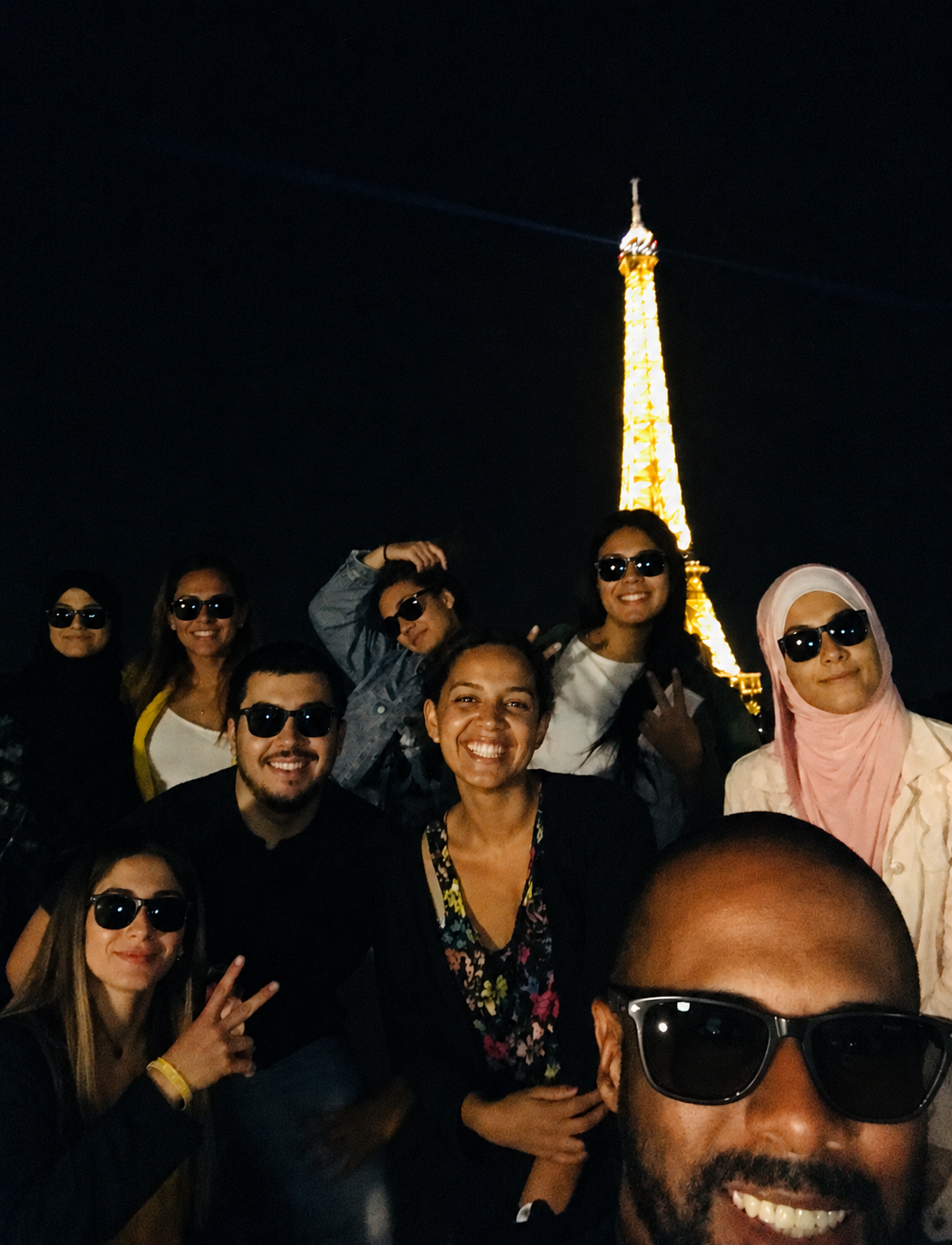
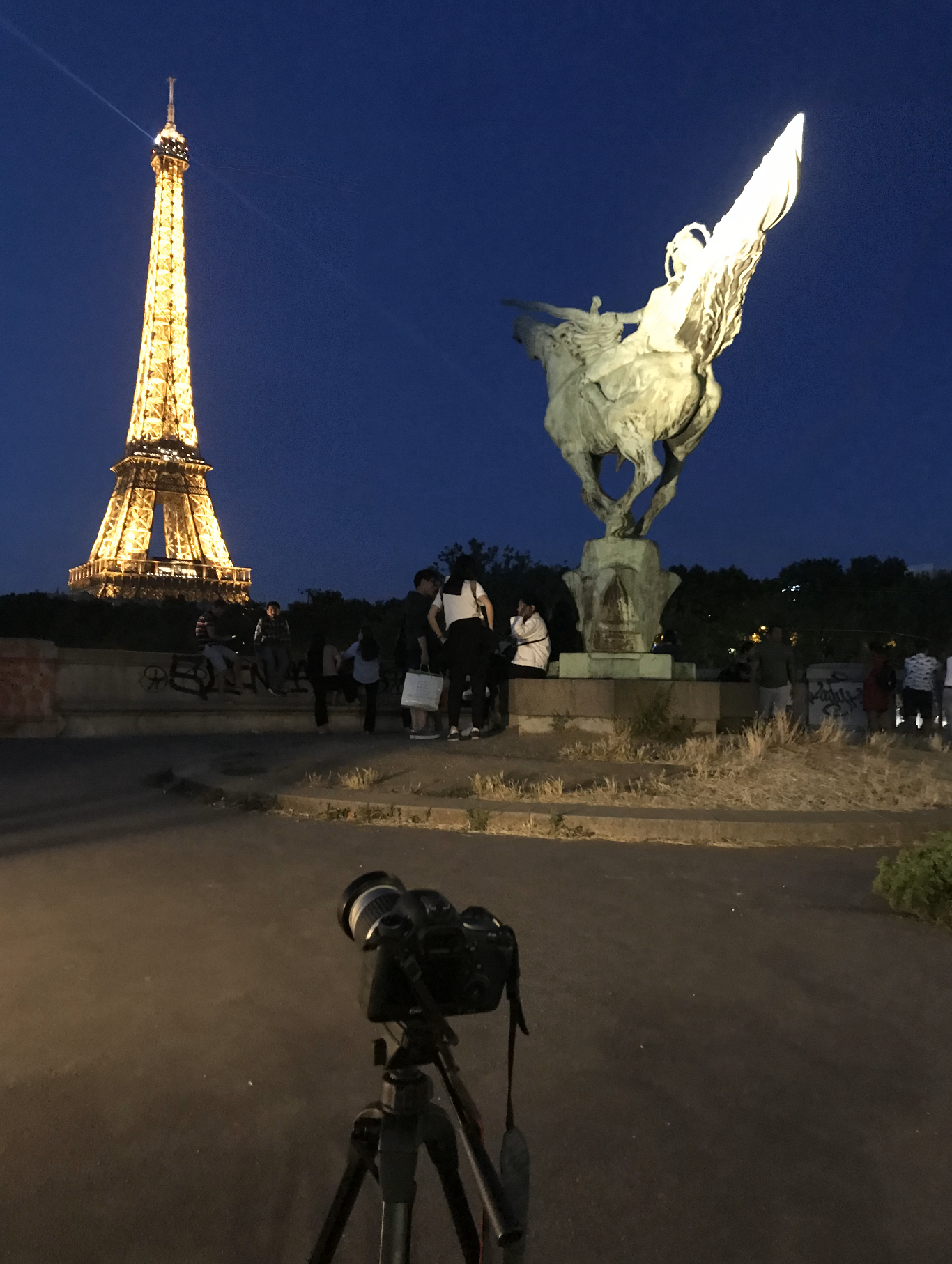
That summer evening, I arrived with my camera (a Canon EOS 6D) to meet a group of ten teenagers aged between 15 and 18, along with their educator, for a three-hour photography workshop.
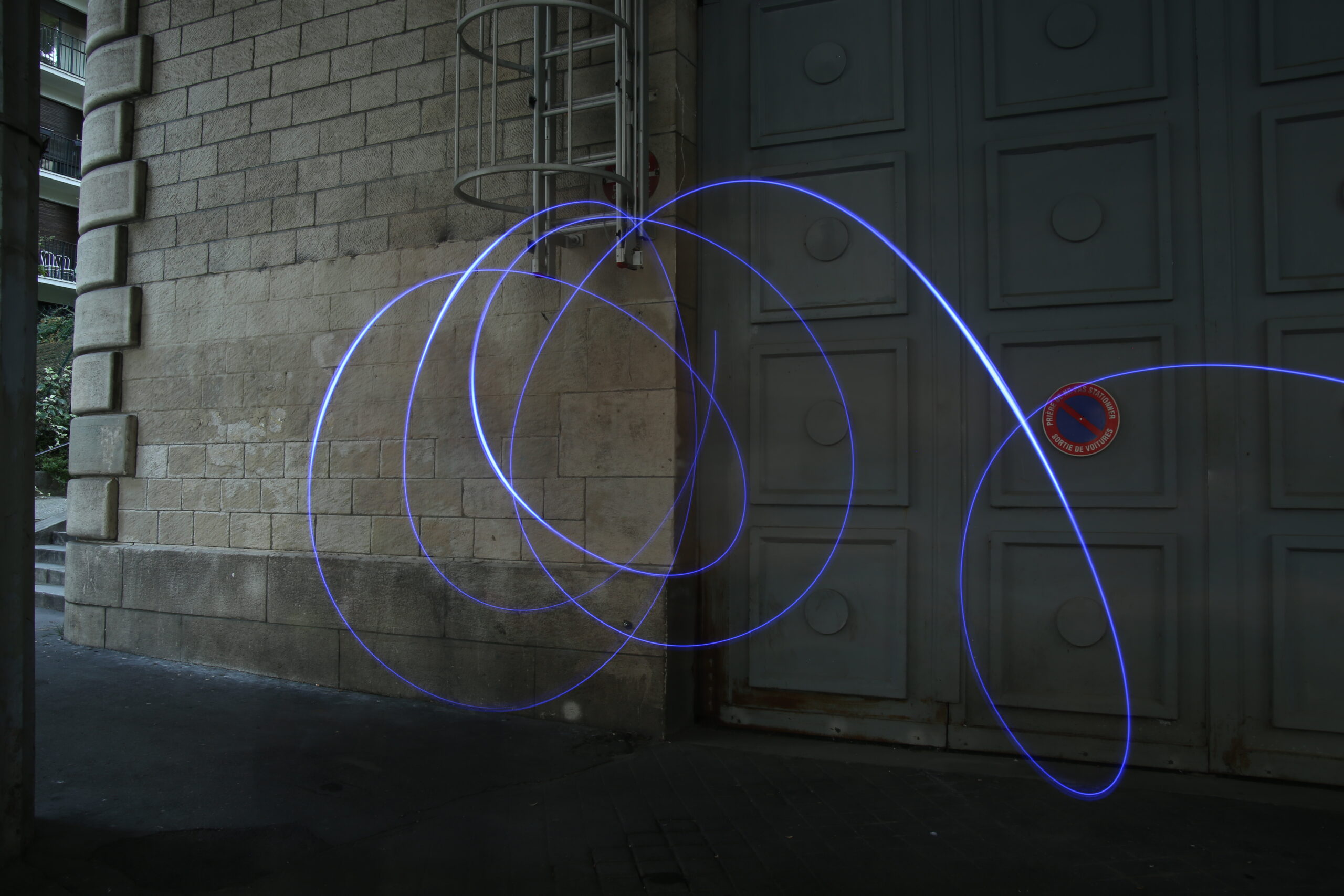
For this session, I chose to introduce them to a specific photographic technique: light painting. We met at 10 p.m., since the technique only works in the dark, in front of the sparkling Eiffel Tower.
A TURNING POINT IN MY CAREER
I was not prepared for what happened next.
I was a good photographer, but I was not a teacher.
I still remember their skeptical looks as I tried to explain how the camera worked: shutter speed, exposure time, focal length… One of the girls looked me up and down and said, “We don’t understand anything you’re talking about.” She and her friends burst out laughing and started chatting among themselves.
No one was paying attention. No one was answering my questions.
They were happy to be out in Paris on a summer night, but they weren’t interested in a photography lesson.
I stood there in silence for a few seconds. Then I laughed.
I grabbed my camera and looked around. To be honest, I was happy to be there too. The Eiffel Tower was sparkling, the night was warm, and I loved taking pictures.
At that moment, I thought: forget the theory. Let’s make something.
So I started giving simple instructions.
“You, come with me.”
“You, take the flash.”
“You, count to three and press this button.”
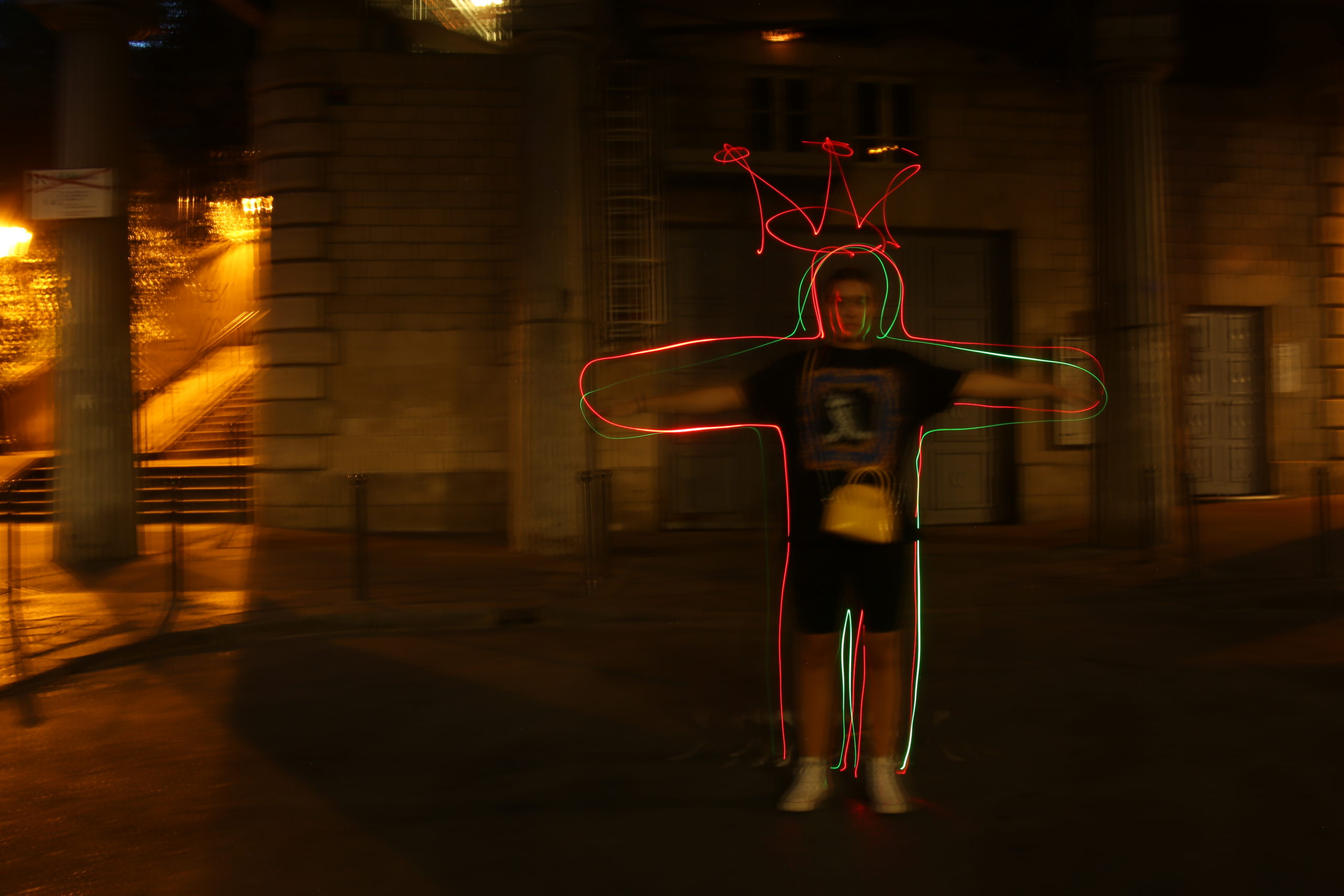
Then I took a flashlight and drew a simple shape in the air.
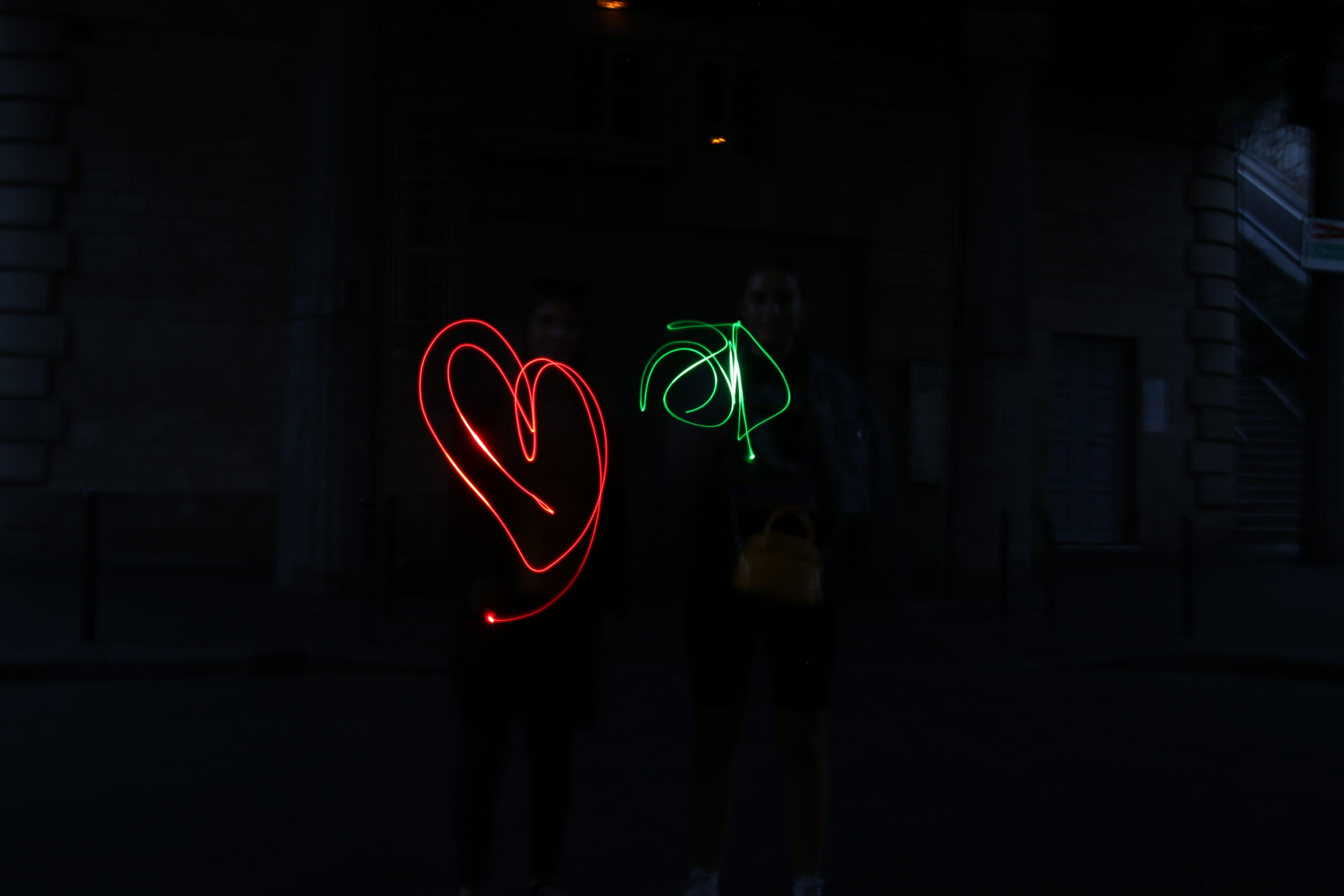
Light painting has something magical about it. You create with light itself.
Suddenly, I had their attention. Now we were ready to work.
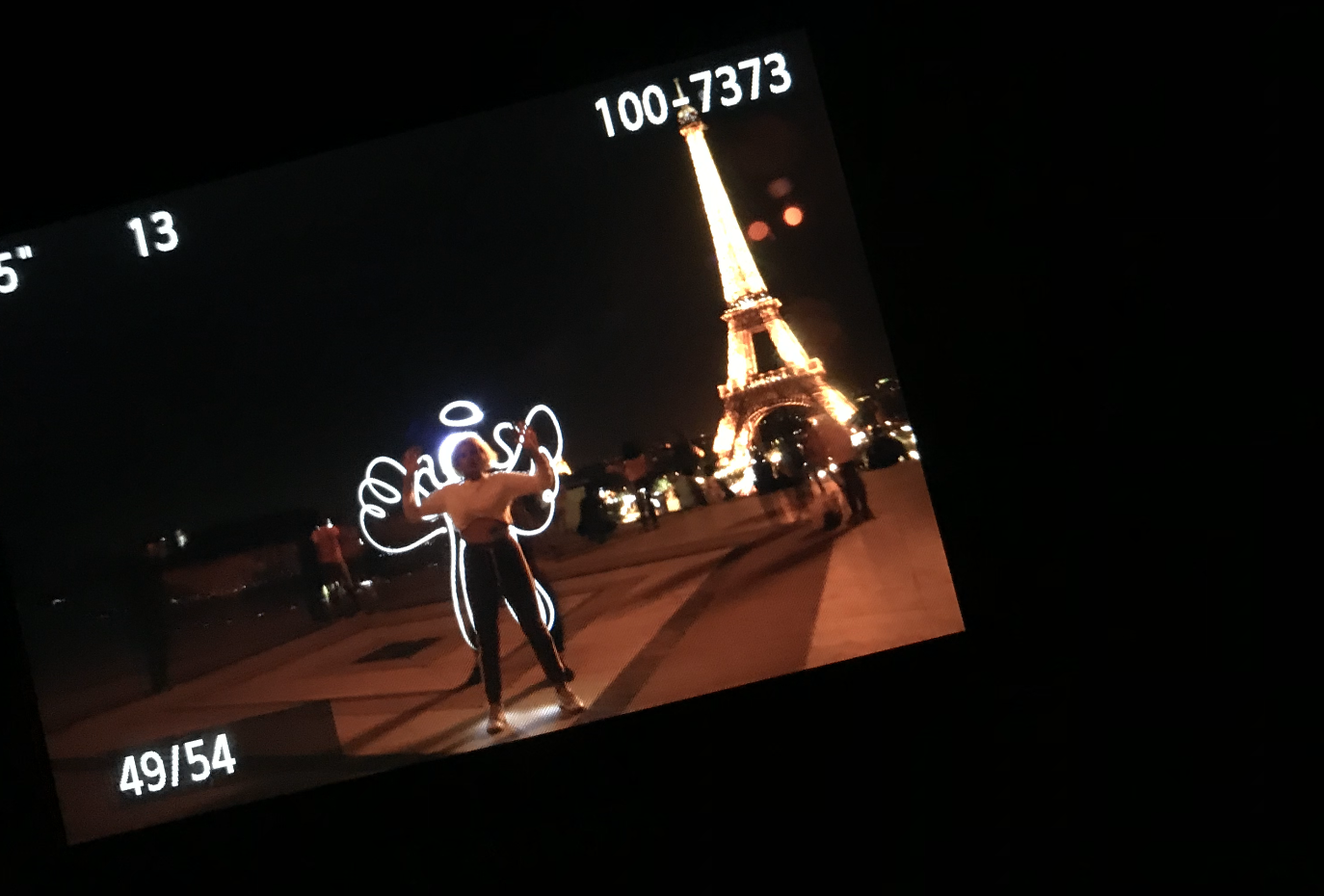
We did a few exercises so they could practice. I did my best to explain things and give instructions in a way that made the tools easier to understand and use.
I was surprised not only by their sudden enthusiasm, but also by my own. Photography has always been a passion of mine, and when I talk about it, people can hear it in my voice. They started asking questions. We discussed, experimented, and created together. For the first time that evening, I felt completely at ease.
After a while, I spoke with their educator. We had about an hour left. It was time to work on a real project.
I told the group to think of a subject—anything they wanted—as long as they could express it using the techniques we had just explored. Everyone had to take part in the creation of the final image, and I would help them bring their idea to life.
I gave them ten minutes.
When they came back, they said:
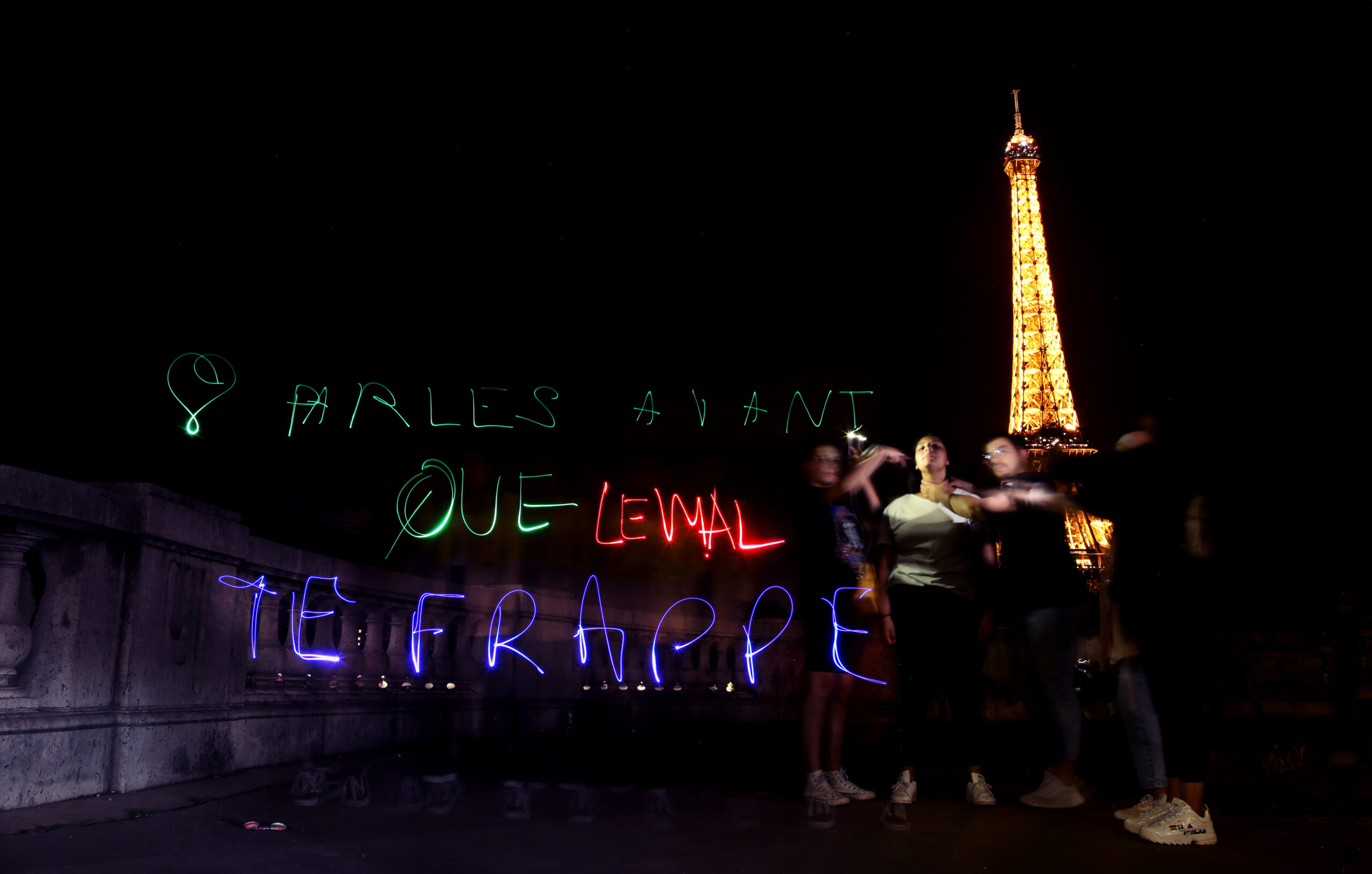
“We want to talk about violence against women and feminicide. There is too much of it. People don’t talk about it enough, and sometimes it’s already too late.”
I was speechless.
They had chosen a real subject. In that moment, they reminded me what art truly is.
Art is a powerful way to express what matters.
In such a short amount of time, they had understood the technique, made it their own, and transformed it into a meaningful message.
Using light, they wrote in the air:
“Parle avant que le mal ne te frappe”
(“Speak before violence strikes you.”)
I could feel the anger, the sadness, but also the desire for change carried by these very young voices.
And yet, the workshop had been joyful. We laughed, collaborated, and created together. Boys and girls worked side by side, contributing to the same image.
By the end of the evening, we had produced something that felt like more than just another photograph among the thousands stored on our phones.
We had created a work of expression—an image with meaning, intention, and a story to tell.
After that first workshop, I went on to facilitate more than a hundred others.
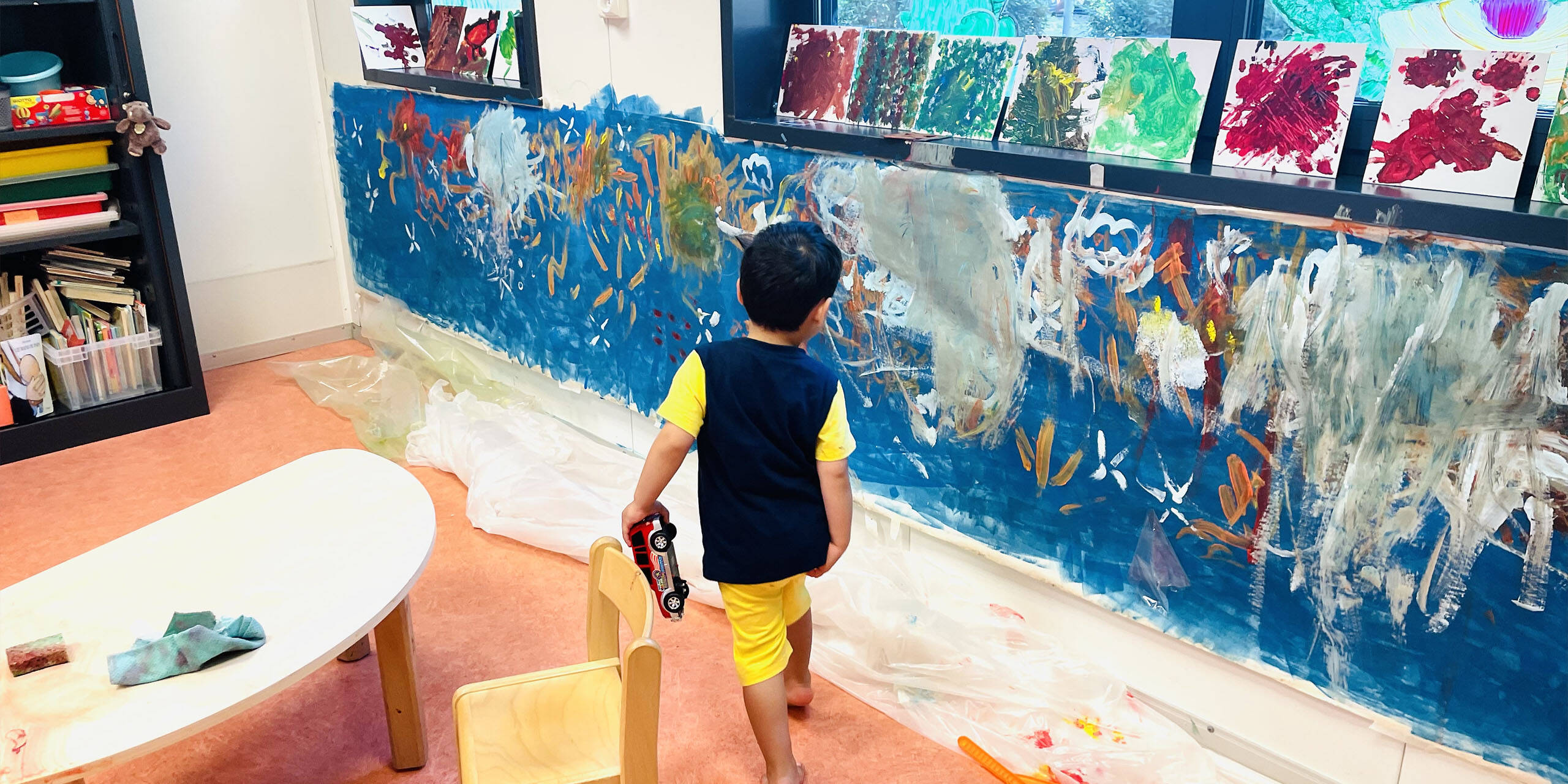
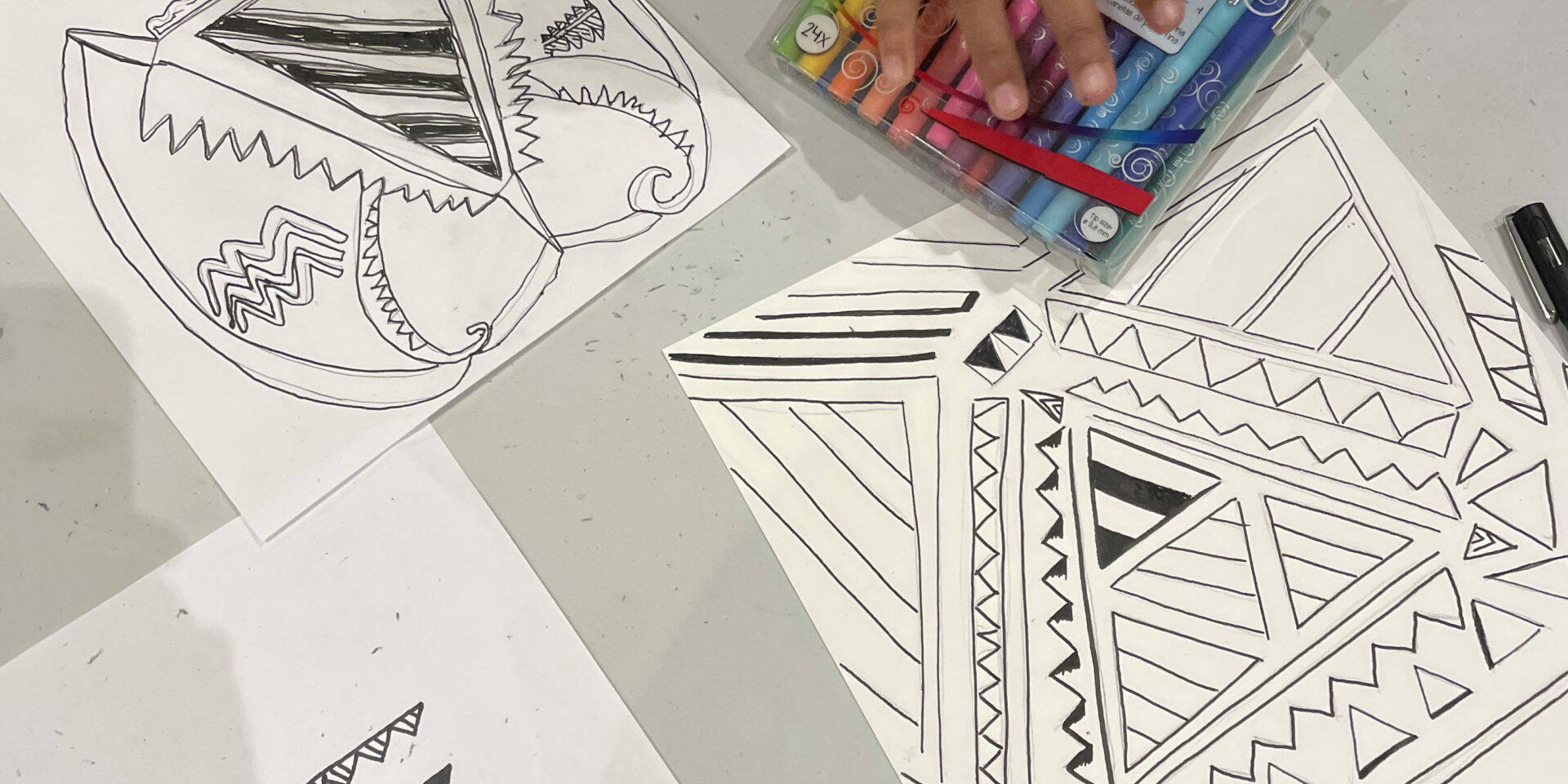
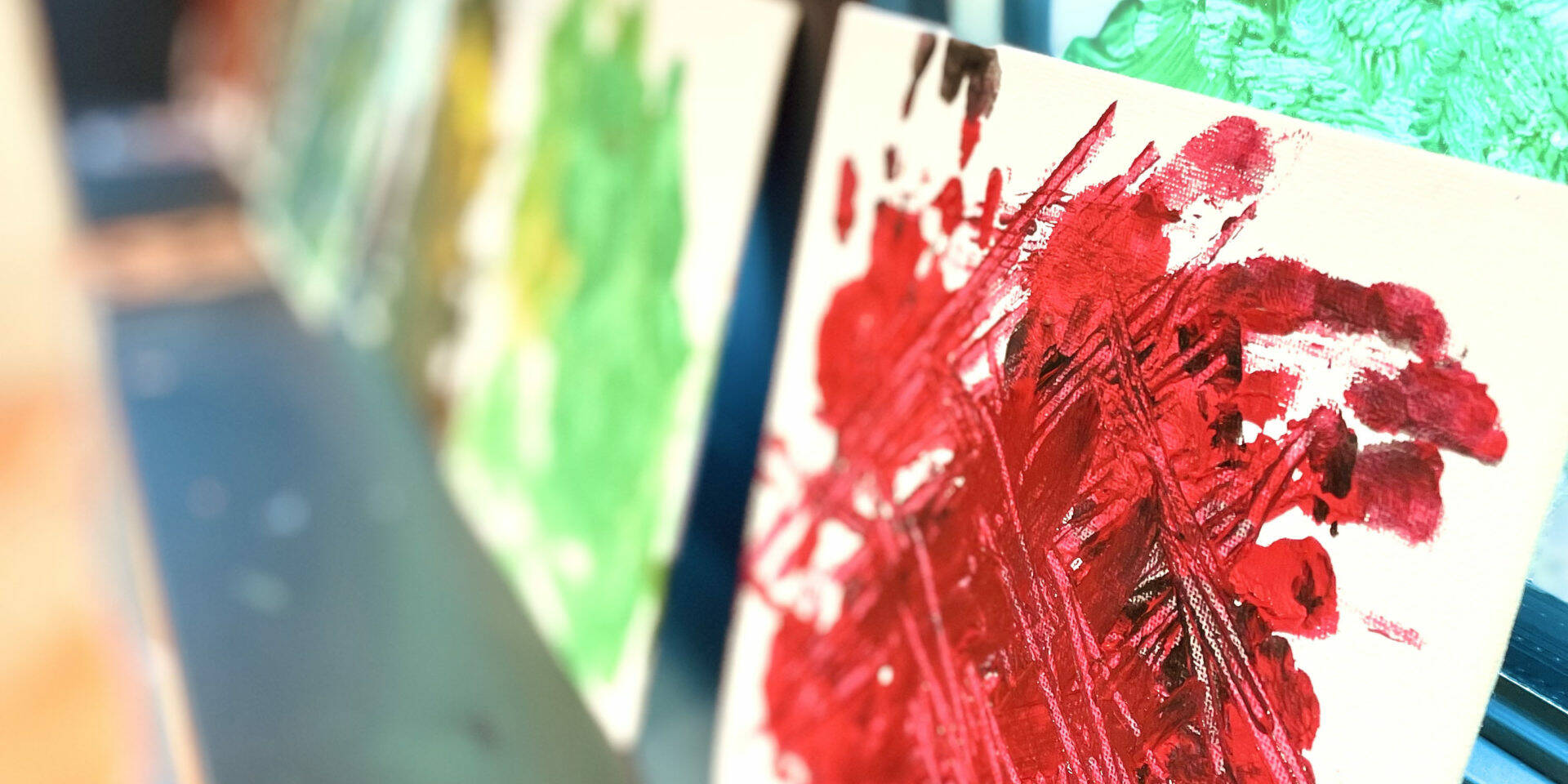
With each experience, I became more convinced of the power of art—not only photography—to help people express thoughts, emotions, and experiences that can be difficult to put into words. I was constantly amazed by how much human beings, regardless of their age, can communicate with something as simple as a lamp, a camera, a paintbrush, or a pencil.
More than anything, I remember the laughter and the smiles. No matter how difficult the subject, there was always room for creativity, connection, and joy.
I initially joined that program to introduce young people to artistic careers and show them new possibilities for their future. But in the end, it was they who changed mine.
That first workshop sparked a question that never left me: what makes artistic expression so powerful, and how can it help people grow, communicate, and heal?
It eventually led me to study Art Therapy and opened a new chapter in both my professional and personal journey.