Designing with Purpose
I started my career as a Digital Designer and Art Director, creating websites, digital products and brand experiences for international companies and luxury brands. Over the years, I worked on projects ranging from UX/UI design and digital strategy to branding, creative direction and AI-powered visual creation.
At first glance, these experiences may seem diverse. For me, they have always been driven by the same question:
How can we design systems that truly serve people?
From interfaces to human behaviour
Working in UX naturally led me beyond interfaces.
Every project required understanding how people think, make decisions, communicate and interact with technology.
Design was never just about aesthetics.
It became a way of exploring cognition, behaviour and human experience.
This curiosity gradually expanded into psychology, cognitive sciences and human factors.
Where creativity meets human behaviour
Long before becoming a designer, I was drawing, painting, writing, taking photographs and exploring different forms of artistic expression. Creativity has always been my way of observing and understanding the world.
Over time, this passion became my profession through graphic design, digital creation and art direction.
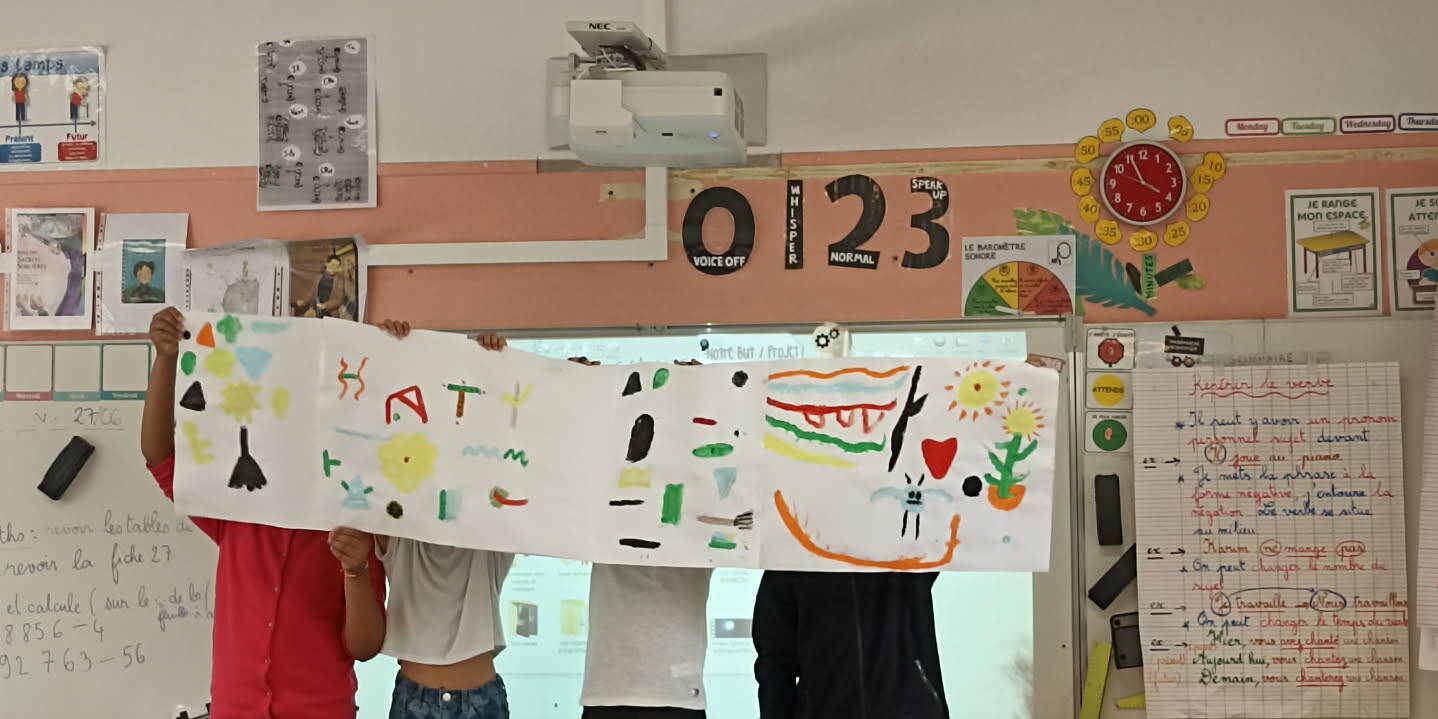
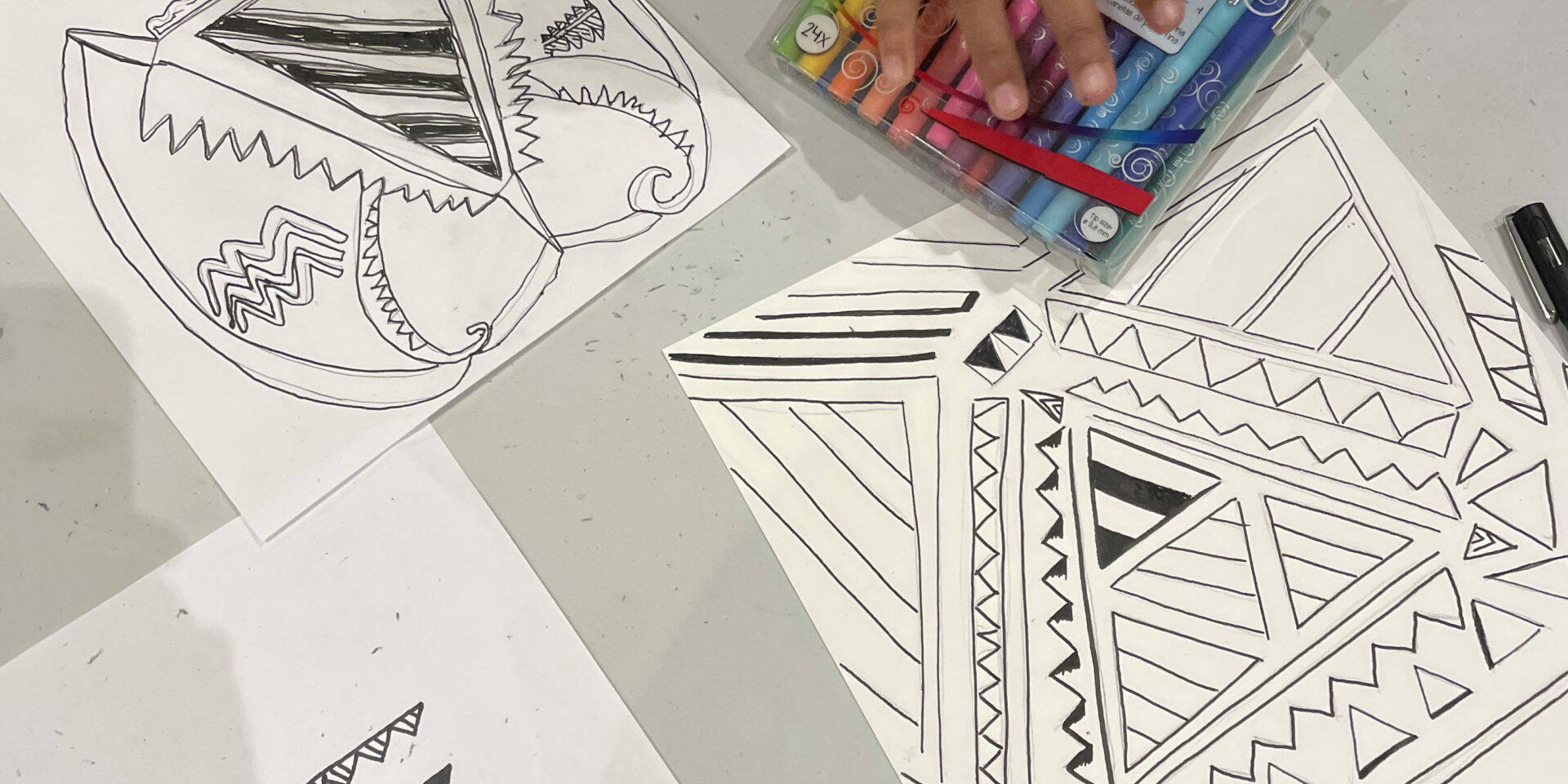
Everything changed when I began designing and facilitating therapeutic art workshops alongside healthcare professionals. For the first time, I wasn’t only creating—I was observing what creativity does to people.
How can art support communication, emotion, attention or self-expression? Why do some creative environments encourage engagement while others create friction?
These questions led me to look beyond the artwork itself. I became interested in designing experiences, understanding human behaviour and creating systems that better support the people who use them.
From that moment on, design became more than a creative practice—it became a way to understand people.
Designing systems, not just interfaces
Whether I design a website, facilitate a workshop or lead a digital project, my approach remains the same.
I enjoy understanding complex environments, identifying friction points and creating solutions that make interactions simpler, clearer and more meaningful.
Today, I see design as a systemic discipline that connects technology, organisations and people.
AI as a creative and cognitive tool
Artificial Intelligence represents the next step in this journey.
Rather than replacing creativity, I see AI as a powerful design partner.
I use it to prototype ideas, explore concepts, accelerate creative workflows and imagine new forms of interaction.
More importantly, I’m fascinated by the questions it raises:
- How do humans collaborate with intelligent systems?
- How do these technologies transform learning, creativity and decision-making?
- How can we design AI experiences that remain meaningful, ethical and human-centred?
I don’t have a definitive position on the role of AI in therapeutic settings. What interests me is the question itself. Just as photography, digital media or even video games have gradually found their place in creative and educational practices, AI may open new possibilities that deserve to be explored with both curiosity and critical thinking.
Looking ahead
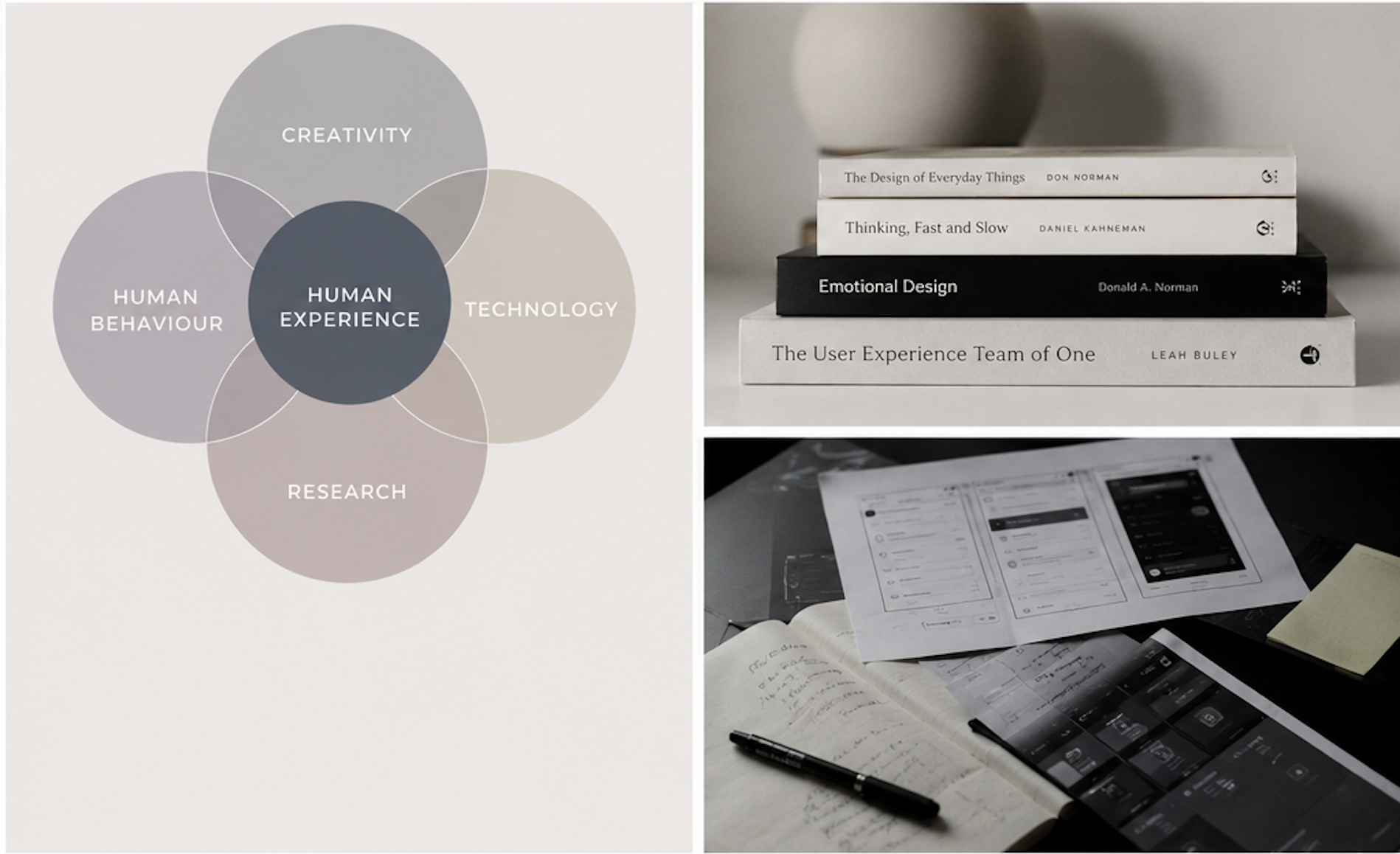
Today, my work sits at the intersection of creativity, technology and cognitive sciences.
My long-term ambition is to contribute to the design of experiences, products and systems that better support human cognition, emotional well-being and collaboration.
Whether through design, art, technology or research, my goal remains the same:
to better understand people in order to design experiences that genuinely improve their lives.
Interviews
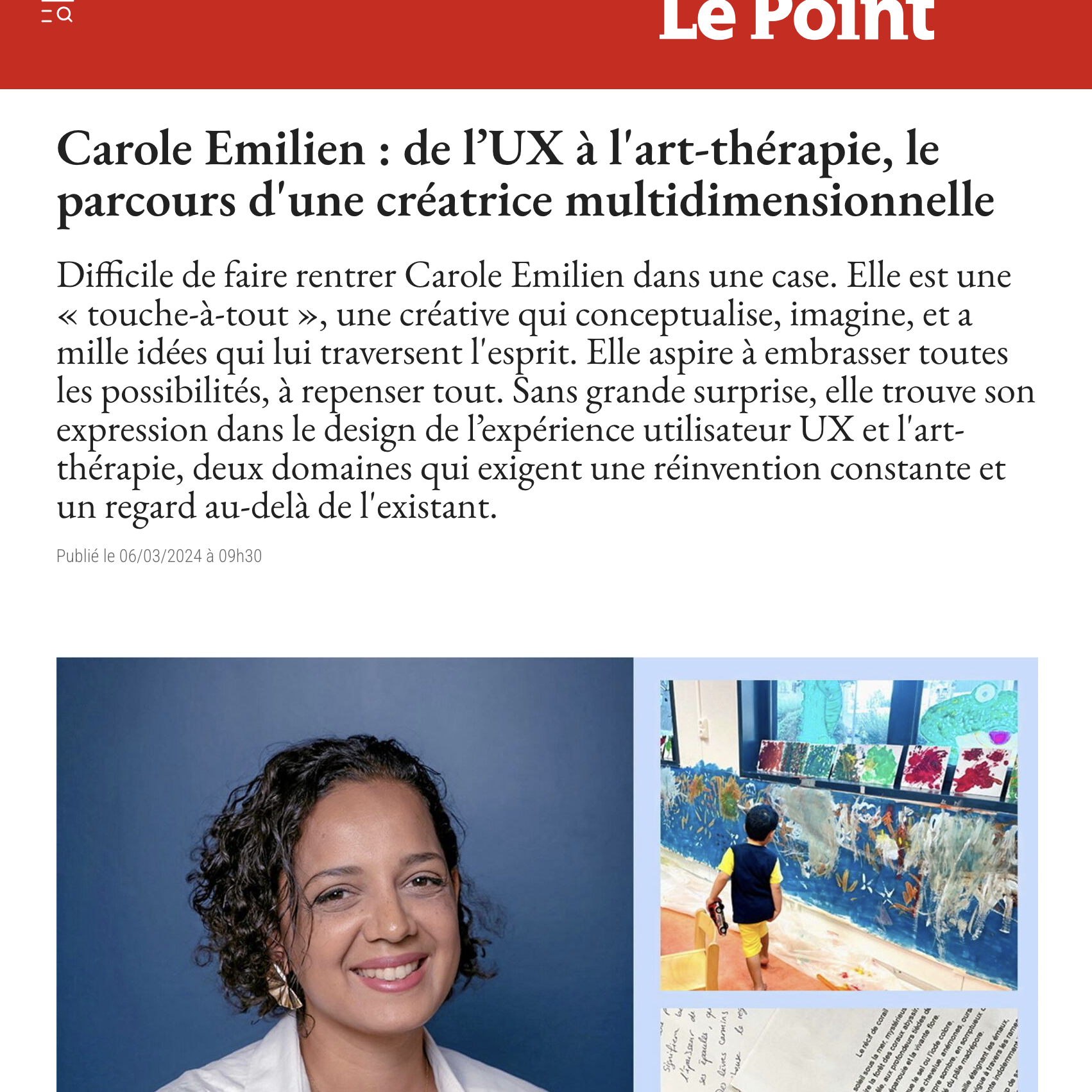
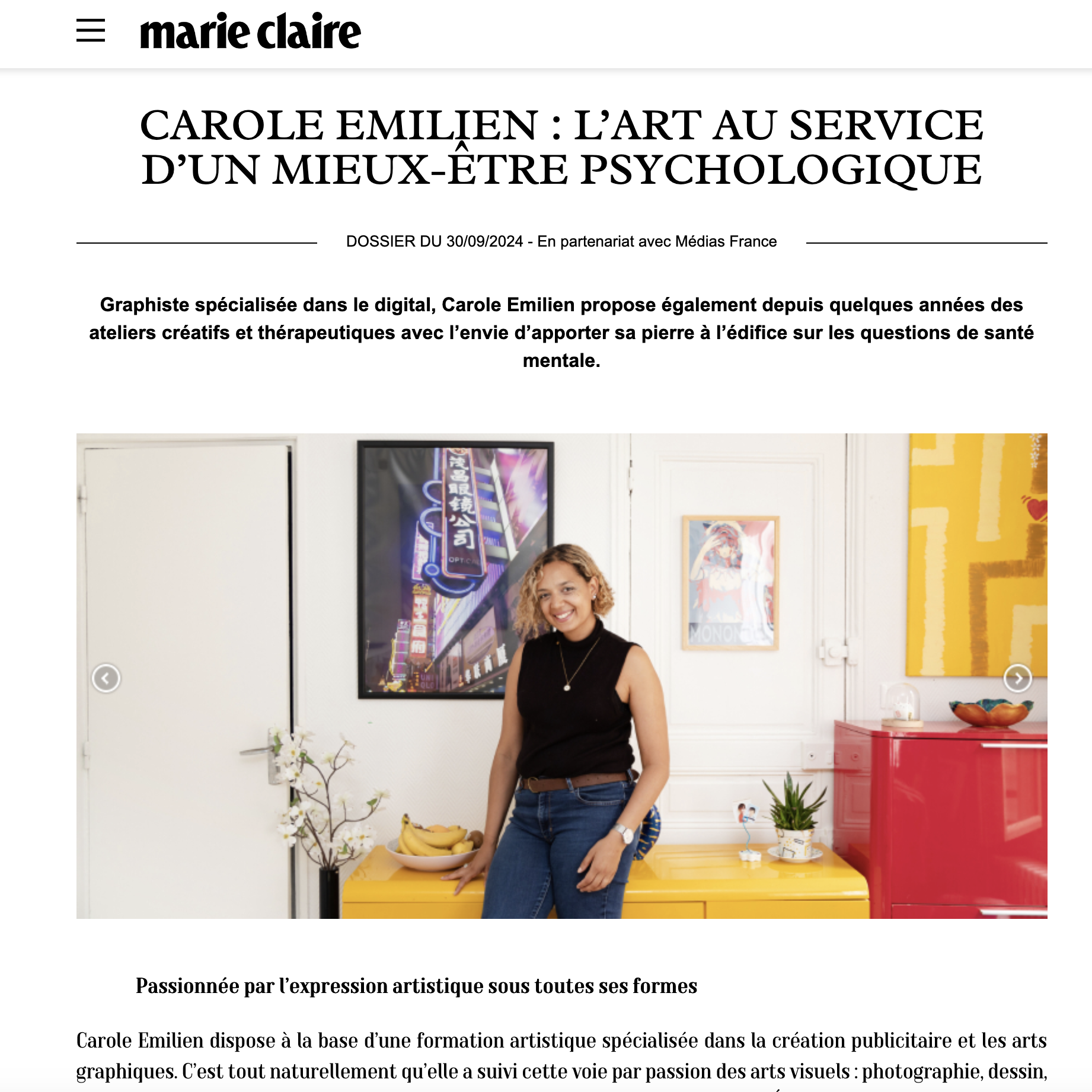
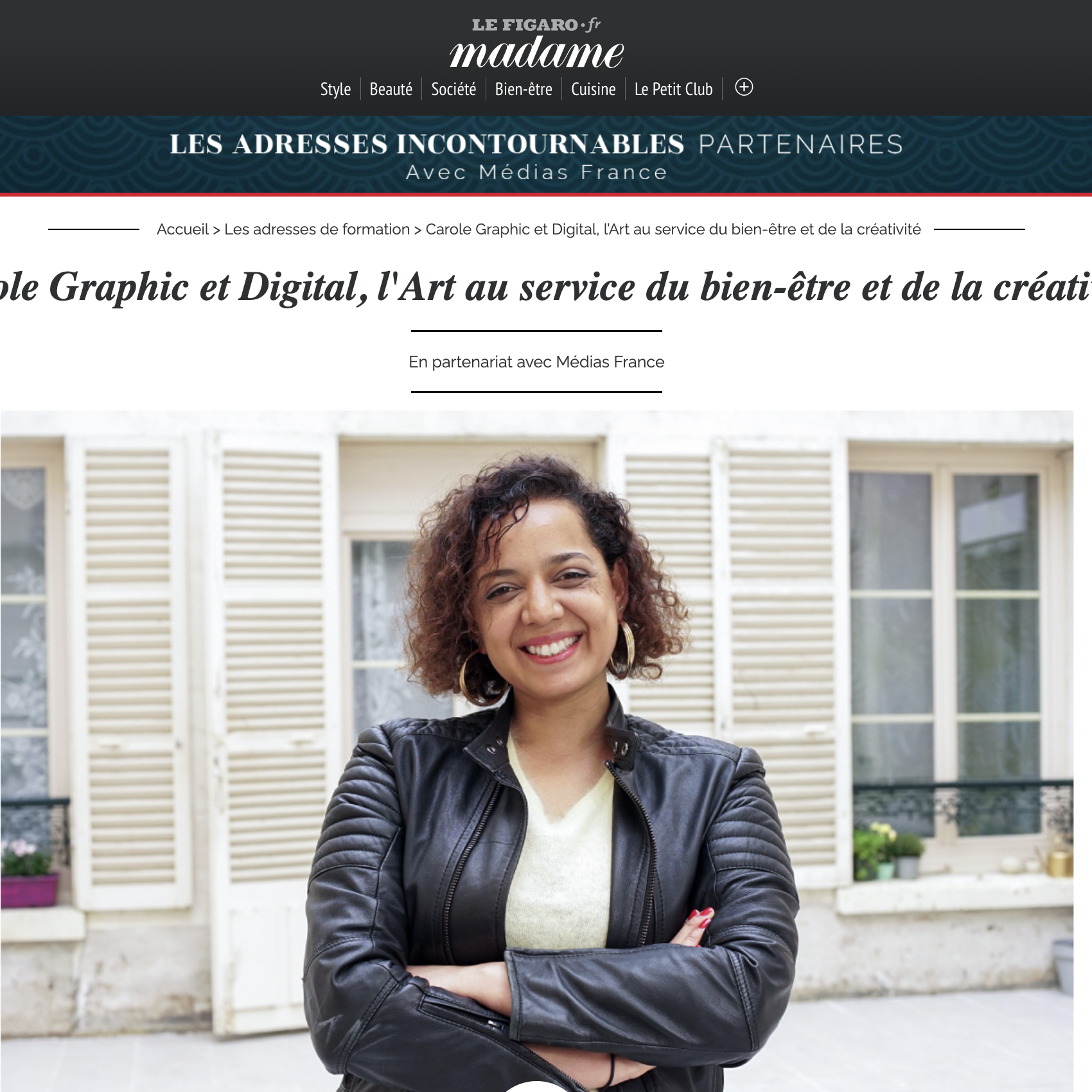
The growing interest in creativity, mental health and human-centred approaches has led several publications to explore my work and my multidisciplinary background.
These interviews focus less on my individual story than on a broader question: how creative practices, design and cognitive sciences can contribute to new ways of understanding people and supporting wellbeing.
Although each article reflects the editorial perspective of its author, I am grateful to have had the opportunity to contribute to this conversation through interviews with publications such as Le Point, Marie Claire and Madame Figaro.